 Home

Expanded Metal Security Fence: Anti-Climb, Anti-Cut Perimeter Mesh
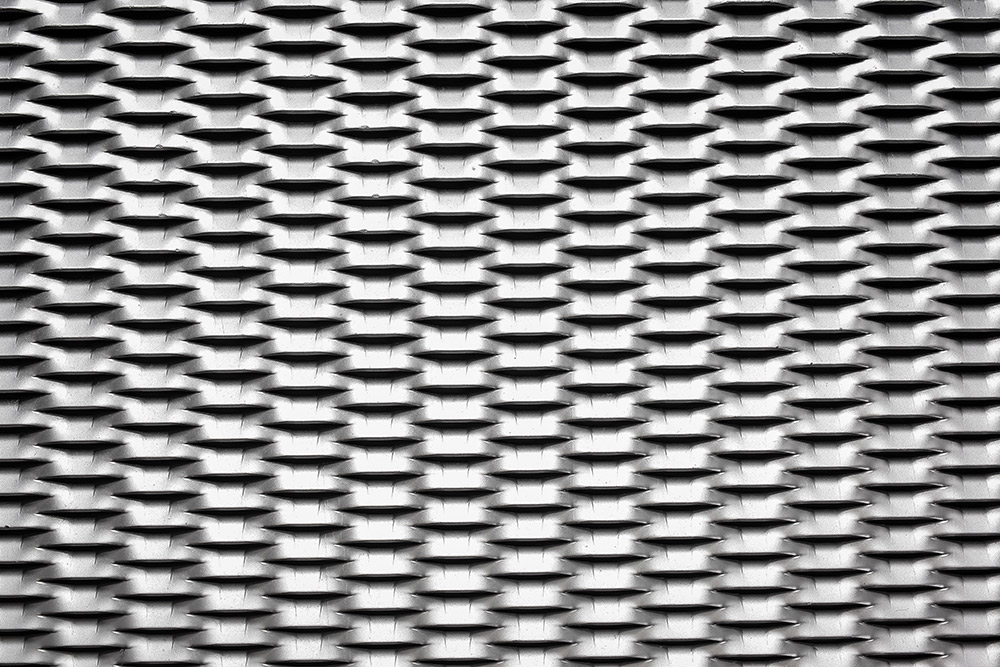


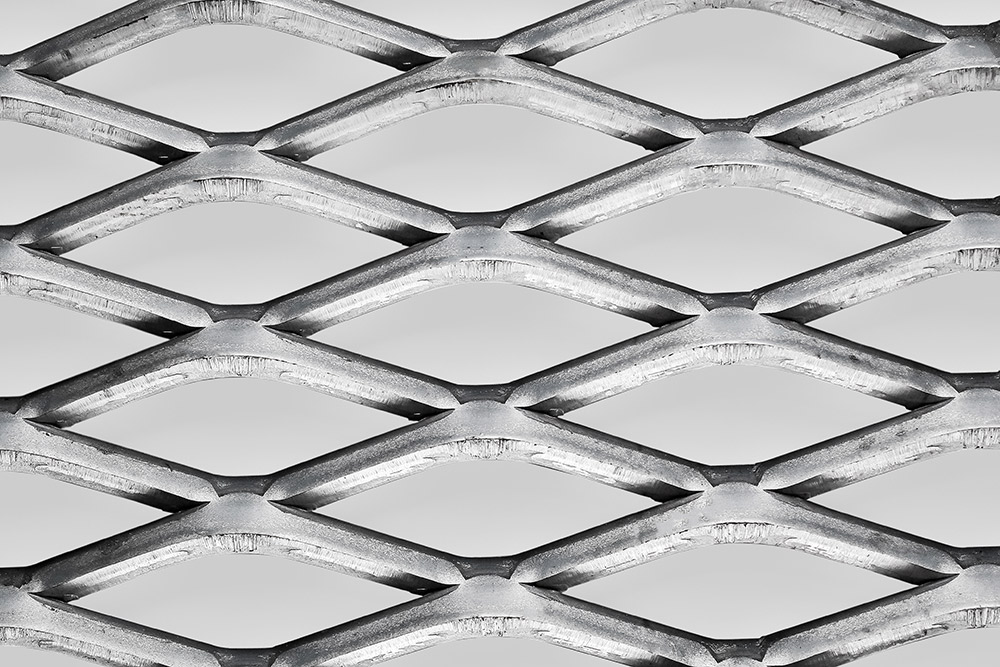
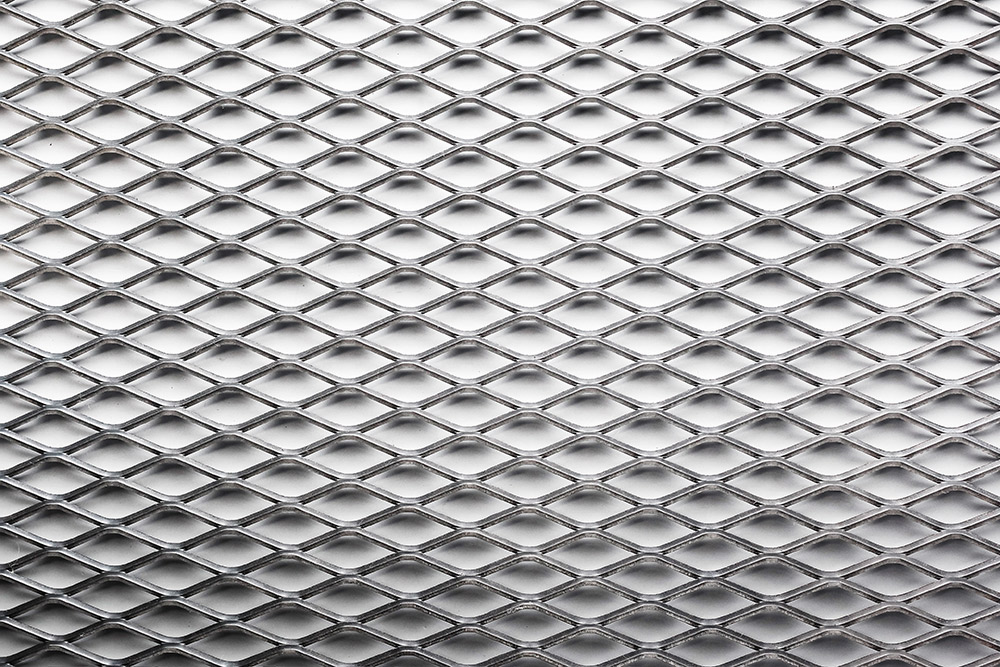
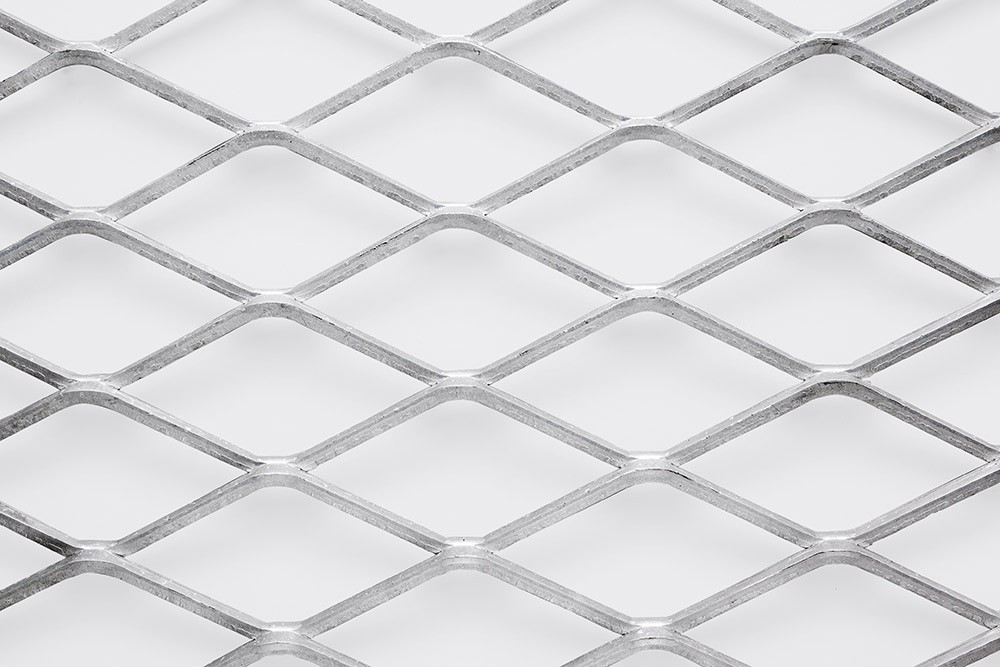
Expanded Metal Security Fence: Anti-Climb, Anti-Cut Perimeter Mesh JUNEN manufactures expanded metal security fencing for perimeter protection at industrial sites, infrastructure facilities, and high-security installations. Formed by slitting and stretching a single sheet of steel — never welded — our security mesh has no joints for an intruder to cut, pry, or bend open. Why Expanded Metal Resists Intrusion Security fencing fails at its weak points — welds, seams, and gaps wide enough to climb. Expanded metal is designed around those failure points: - No welds to cut or pry loose — the diamond pattern is one continuous sheet, not joined wire - Small diamond openings resist hand and foot holds, deterring climbing - High tensile strength resists cutting tools and forced impact - Open diamond pattern maintains sightlines for surveillance cameras and security patrols — unlike solid panel fencing that creates blind spots Choosing a Mesh Size for Security Applications Open area and strand width both affect security performance. A tighter, heavier-gauge mesh resists cutting and climbing more effectively; a more open mesh favors visibility and airflow. Match the specification to your risk level:
Applications - Industrial and manufacturing facility perimeters - Utility and infrastructure sites — substations, rail corridors, freight yards - Government and institutional perimeter fencing - Storage yards and equipment compounds requiring theft deterrence - Replacement for traditional grille/bar fencing where a lighter, more cost-effective structure is needed Available Materials Steel and galvanized steel are standard for security fencing applications; stainless steel is available where corrosion resistance is required. Surface treatments include powder coating and hot-dip galvanizing for long-term outdoor exposure. Why JUNEN Founded in 1987, JUNEN manufactures both the security mesh and the machinery that forms it — allowing consistent strand strength and panel flatness across large perimeter runs, plus custom mesh sizes where standard models don't match your site's risk profile. ISO 9001:2015 certified. Request a Quote Tell us your perimeter length, site risk level, and any local security fencing codes that apply — our team will recommend the right mesh specification.
| Name | Strand Size (MM) | Mesh Size (MM) | Open Area | ||
|---|---|---|---|---|---|
| ID No. | T | W | SW | LW | % |
| JF-02-10 | 2 | 5 | 10 | 42 | NA |
| JF-02-13 | 2 | 2 | 13 | 25 | 69.2 |
| JF-03-18 | 3 | 3 | 18 | 175 | 66.7 |
| JF-03-30 | 3 | 5 | 30 | 145 | 80 |
| JF-15-13 | 1.5 | 1.5 | 13 | 203 | 76 |
| JF-03-13 | 3 | 5 | 13 | 203 | 23 |
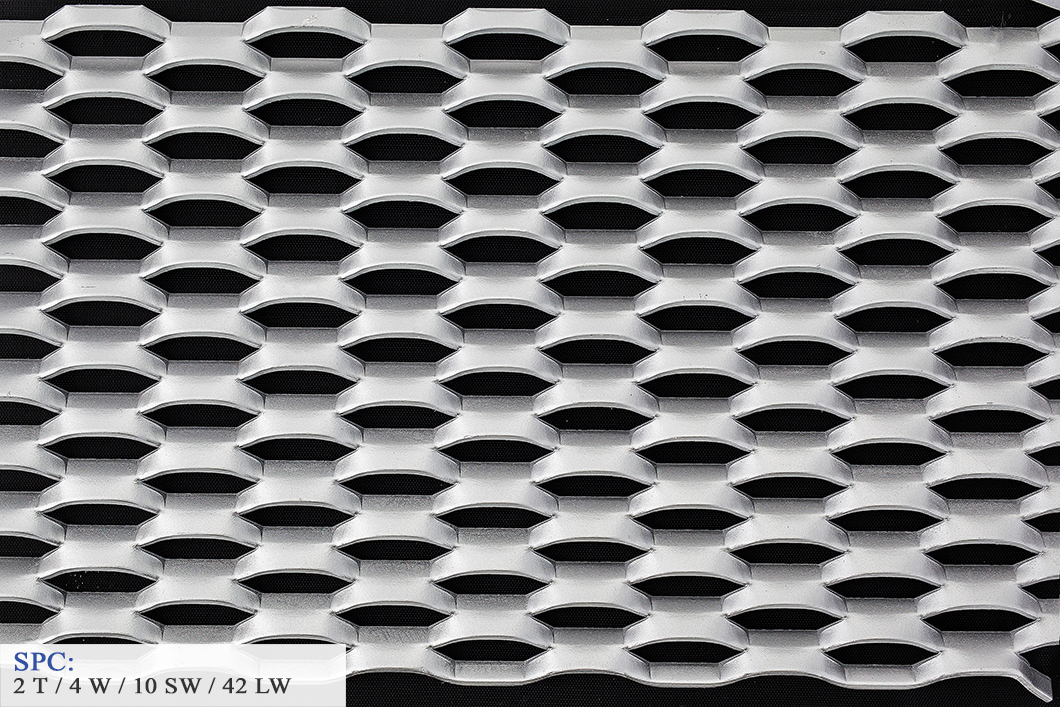
T (Thickness): Plate Thickness
W (Width): Strand width
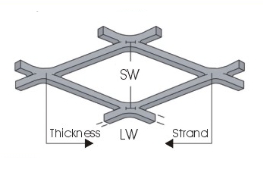
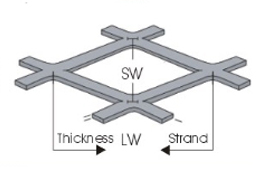
SW: Short way dimension of mesh
LW: Long way dimension of mesh 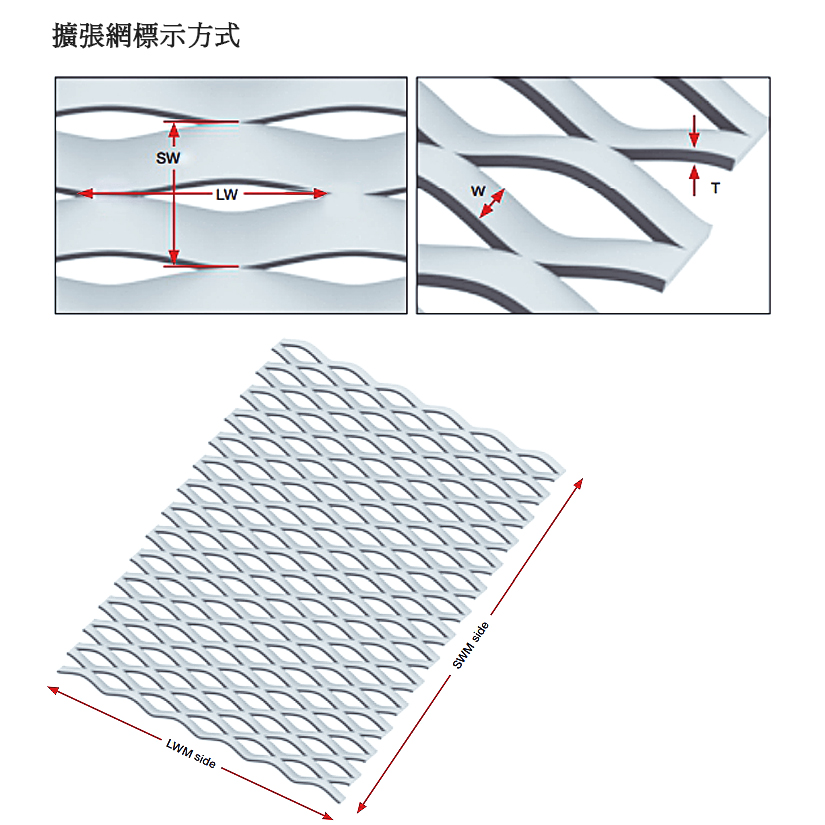
The illustrations show the correct way to designate SW and LW dimensions in relation to the length or width.
| 【Standard】 | 【Flatten】 |
 |
 |